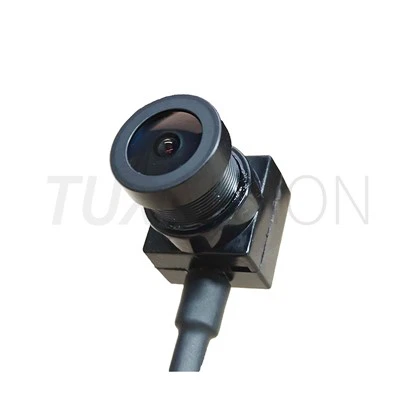
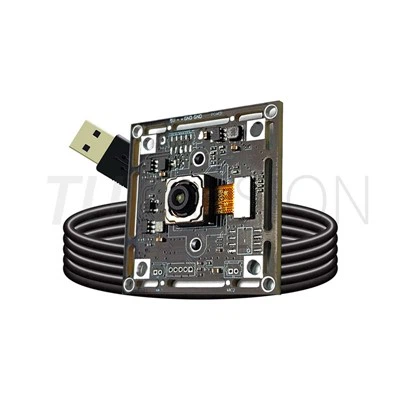
When choosing a camera module, engineers often find that some camera modules include an ISP while others do not. The difference is mainly related to the system architecture and image processing workflow. A camera sensor captures RAW data, while the ISP converts it into a usable image with better image clarity.
What Is ISP in a Camera Module?
ISP (Image Signal Processor) is responsible for processing RAW image data from CMOS sensors. It improves image quality through white balance, noise reduction, color correction, HDR processing and exposure control.
- Auto Exposure
- Auto White Balance
- Noise Reduction
- Color Correction
- HDR Processing
Why Do Some Camera Modules Include ISP?

Camera modules with ISP are widely used in USB camera applications and industrial vision systems. The integrated ISP allows the module to output processed formats such as YUV, MJPEG and H.264 directly.
Why Do Some MIPI Camera Modules Have No ISP?
Many MIPI camera modules are designed for embedded systems where the host processor already includes an ISP, such as AI vision platforms and robotics systems.

Camera Module Selection Thinking
Choosing a camera module is not only about resolution. Sensor performance, ISP capability, lens design and image tuning together determine the final image quality.
- USB Camera → Usually choose ISP integrated solution
- MIPI AI Vision → Consider ISP from host SoC
- High quality imaging → Focus on ISP tuning capability