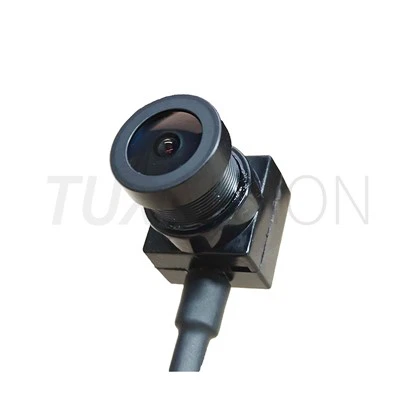
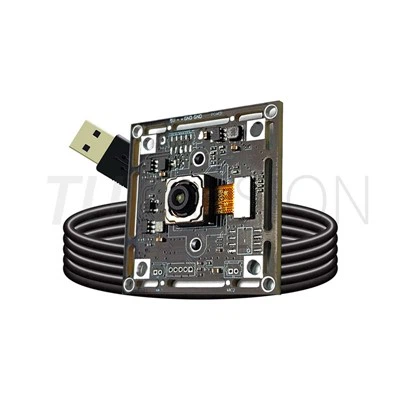
When selecting a suitable camera module, multiple factors should be considered based on the specific requirements of the application. The following are the key steps and considerations for choosing the right camera module for different scenarios.

1. Define the Application Scenario and Requirements
First, identify the application scenario of the camera module, such as smartphones, security surveillance, autonomous driving, medical imaging, or industrial automation. Different applications have different performance requirements, so the selection criteria should be tailored accordingly.

2. Key Considerations
1) Megapixels and Resolution
Megapixels
The number of megapixels determines the level of image detail. Higher-megapixel cameras can capture more details but also result in higher costs and greater processing requirements. Select an appropriate megapixel count based on actual needs. For example, 4K video recording requires at least 8 megapixels, while 2 megapixels may be sufficient for basic recording applications.
Resolution
Resolution is closely related to megapixels. Higher resolution produces finer and more detailed images. Choose the appropriate resolution according to the application to ensure the required image quality.
2) Image Sensor
Sensor Type
The two main types are CCD and CMOS.
CCD sensors provide excellent image quality but consume more power, making them suitable for professional applications.
CMOS sensors feature lower power consumption and higher integration, making them the dominant choice for consumer electronics.
Sensor Size
A larger sensor captures more light, resulting in better imaging performance under low-light conditions. Select the appropriate sensor size based on the lighting environment of the application.
3) Lens
Material and Optical Design
High-quality lenses reduce chromatic aberration and distortion while maintaining sharp image quality. Multi-layer coatings help minimize glare.
Focal Length and Field of View
The longer the focal length, the farther the viewing distance and the narrower the field of view. Conversely, the shorter the focal length, the closer the viewing distance and the wider the field of view.
Select the appropriate focal length and viewing angle according to the monitoring or imaging requirements.
4) Autofocus and Image Stabilization
Autofocus
Technologies such as PDAF (Phase Detection Autofocus) and Laser AF improve focusing performance, especially for capturing moving objects.
Image Stabilization
Features such as OIS (Optical Image Stabilization) help reduce camera shake during handheld shooting and improve image stability.
5) Low-Light Performance
Pay attention to the camera module's ISO range, night vision capabilities (such as infrared illumination), and low-light optimization technologies for both the sensor and lens. Performance in low-light environments is often a true measure of a camera module's capability.
6) Intelligent Features
Modern camera modules often integrate AI functions such as facial recognition and object tracking. Choose a camera module with suitable intelligent features based on the application's requirements.
7) Stability and Durability
For devices intended for long-term operation, such as surveillance cameras, stability and durability are essential considerations. Environmental factors including high temperature, low temperature, humidity, and vibration should all be taken into account during selection.
8) Interface and Compatibility
Choose a camera module with an interface that matches your product, such as USB or MIPI. In addition, verify that the camera module is compatible with your system or platform.
9) Budget
Balance performance and cost to achieve the best value for your project. Compare the specifications, services, and pricing offered by different manufacturers and evaluate mainstream brands available in the market.
3. Comprehensive Evaluation and Selection
After defining the application requirements, conduct a comprehensive evaluation based on the factors above. Professional websites, product reviews, and user feedback can help compare the performance and pricing of different camera modules. Brand reputation and after-sales service should also be considered when making the final decision.
4. Example
For a security surveillance application, such as monitoring a warehouse at night, night vision capability and long-term operational stability are critical factors. A camera module with infrared night vision, high resolution, excellent low-light performance, and reliable durability should be selected to meet the demands of continuous monitoring.
Conclusion
Choosing the right camera module requires a comprehensive evaluation based on the specific needs of the application. By clearly defining requirements, comparing product specifications and pricing, and considering factors such as brand reputation and after-sales support, you can select the camera module that best suits your project or product.