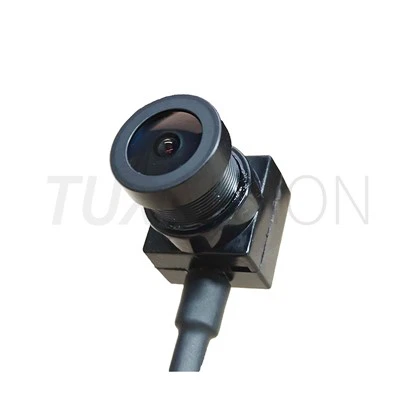
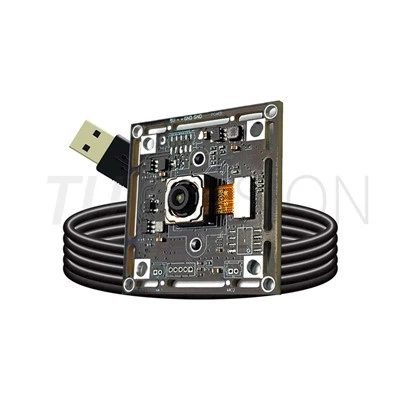
The following are frequently requested when choosing a camera module: low cost, great low light performance, ultra wide field of vision, and 4K resolution. Due to optical and physical limitations, it is actually very challenging to achieve all four at a high level with a single camera module.
Why These Requirements Conflict
1. 4K Resolution vs Low Light Performance
4K camera modules use higher pixel density sensors. This means each pixel becomes smaller, reducing its ability to capture light. In contrast, lower resolution sensors such as 2MP often deliver better low light performance due to larger pixel size and improved signal-to-noise ratio.
2. Ultra Wide Angle vs Image Clarity
Ultra wide lenses (above 120° FoV) introduce distortion and reduce edge sharpness. Even if the sensor is 4K, the effective image clarity at the edges may drop significantly due to optical limitations.

3. Low Light vs Exposure Constraints
Improving low light performance often requires longer exposure or larger pixels. However, longer exposure introduces motion blur, making it unsuitable for dynamic scenes such as surveillance or robotics.
4. Cost vs System Performance
High-performance camera modules require better sensors, higher-quality lenses, and more powerful ISP tuning. All of these increase the overall BOM cost, making "low cost + high performance" difficult to balance.
Engineering Selection Strategy
Prioritizing according to application is a better strategy than asking if all features can be combined:
Prioritize dependability and low light in surveillance.
AI vision: provide low latency and consistency top priority
Consumer electronics: strike a balance between price and resolution
In industrial inspection, repeatability should take precedence over resolution.
Practical Recommendation
If your application truly requires 4K output, consider whether you really need ultra wide FoV or extreme low light performance at the same time. In many projects, splitting requirements (e.g., using multiple camera modules) can achieve better overall system performance.
For reference, you can explore a typical 4K camera module solution to understand current design trade-offs.

Conclusion
There is no ideal way to combine 4K, ultra wide, low light, and low cost in camera module design. Every project involves striking a balance between budget, physics, and optics. Optimizing for your actual application is more important than maximizing every parameter.