Three typical faults are frequently reported by customers when assessing the image quality of a camera module: blurry image, gray/washed output, and green color tint. These issues are common in 2MP camera module designs, particularly in low-light conditions, embedded vision, and industrial applications.
The sensor is usually not flawed. Rather, focus distance, exposure technique, white balance adjustment, or lighting conditions all have an impact on image clarity. The underlying reasons and remedies are broken down at the practical engineering level below.

1. Blurry Image - Focus or Optical Path Issues
Blurry output is the most common complaint in camera module integration. This usually relates to optical path problems rather than sensor performance.
Common Causes
- Lens contamination (dust, fingerprint, condensation)
- Object distance below minimum focus distance (MFD)
- Low light causing autofocus instability
- Lens holder tolerance or module tilt
- Protective cover glass affecting optical path
Recommended Checks
- Clean lens using lint-free cloth
- Keep subject distance ≥ 15cm
- Increase ambient lighting
- Verify lens focus calibration
2. Gray or Washed Image - Exposure and Dynamic Range
A gray-looking image usually comes from conservative exposure tuning. The ISP compresses highlights to avoid overexposure, which reduces contrast and lowers perceived image clarity.
Typical Reasons
- Auto exposure suppressing brightness
- Low scene contrast
- Limited sensor dynamic range
- Flat color tuning profile
- HDR disabled or misconfigured
This behavior is common in entry-level 2MP camera module designs where dynamic range optimization is conservative.
3. Green Tint - White Balance Drift
Green color cast typically indicates white balance misjudgment. This is often observed under LED lighting, industrial environments, or mixed color temperatures.
Possible Causes
- Auto white balance instability
- IR-cut filter switching delay
- Sensor gain imbalance
- ISP tuning mismatch
- Signal interference in external camera modules

Engineering Summary
According to integration experience, environment and tuning are more likely to cause problems with image quality than hardware flaws.
80% of the environment and illumination
15% parameter setup and ISP tuning
5% pertaining to hardware
It is advised to check focus distance, exposure behavior, and white balance performance prior to changing the camera module.
Related 2MP Camera Module Reference
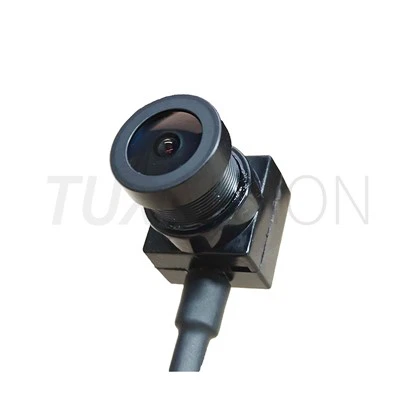
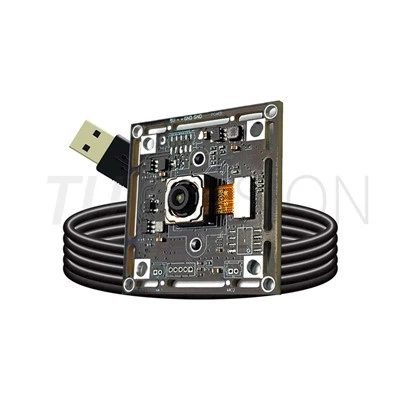
For applications requiring stable image clarity and balanced color tuning, you can refer to this 2MP GC2093 camera module as a typical example for embedded vision and industrial integration.
More camera module options can also be found in our camera module product list .