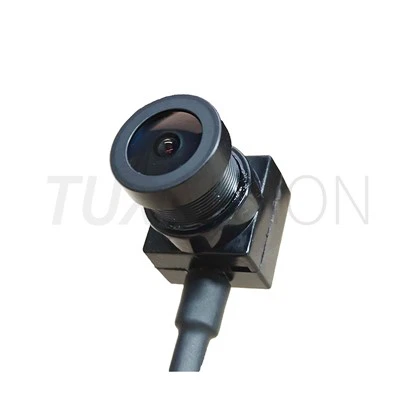
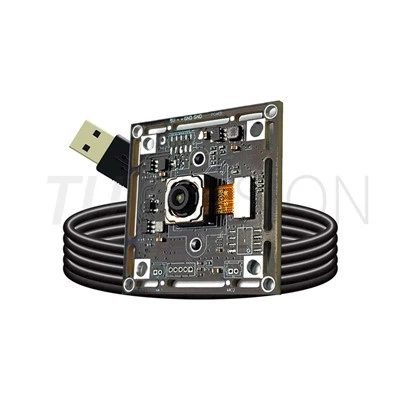
Surveillance cameras, embedded vision devices, and other items that must take pictures in shifting lighting situations frequently require low-light imaging. Selecting an appropriate camera module typically entails more than just comparing sensor characteristics for OEM engineers. The final product is influenced by the lens, exposure settings, image processing, and mechanical design.
One sensor choice for low-light camera applications is the Sony IMX327. It is combined with a 1/2.8-inch CMOS sensor format in the AS-AC728A, which has a 2 MP output resolution of 1920 × 1080 and a frame rate of up to 60 fps. Although they don't reveal the whole story, these specifications offer a place to start when assessing the module.
Why Low-Light Performance Depends on the Whole Imaging System
When a subject moves or fine details need to be preserved, a camera may struggle to capture a recognizable image in a dimly lit space. A dark scene can be made brighter by extending the exposure time, although moving objects may become blurry. Increasing gain can potentially make the image brighter, but it might also make noise more noticeable.
Another crucial component of the equation is the lens. The amount of light that reaches the sensor and how it is dispersed over the image are influenced by aperture, optical transmission, and field of vision.Two camera modules using the same sensor can therefore produce different results when their lenses and image-processing configurations differ.
For this reason, low-light camera module selection should start with the actual scene. Is the camera monitoring a mostly stationary area at night? Does it need to capture moving people? Will there be street lighting, indoor lighting, or additional infrared illumination? These details help determine whether a proposed configuration is suitable.
Where WDR Makes a Difference
Low illumination is not the only challenge in surveillance imaging. A camera may also need to capture a subject standing in front of a bright window or an entrance facing daylight. In these situations, the foreground can appear too dark while the background becomes overexposed.
Wide Dynamic Range (WDR) is relevant to scenes with large differences in brightness. Its effectiveness depends on the implementation, sensor behavior, exposure control, and image-processing pipeline. The presence of a WDR function alone does not establish how much detail will be retained under a particular lighting condition.
During evaluation, it is worth testing the camera in both low-light and high-contrast scenes. A useful test setup should resemble the intended installation rather than relying entirely on images captured under controlled laboratory lighting.
Matching the Lens to the Application
The required field of view often determines which lens configuration makes sense. A wide-angle lens can cover a larger area, while a narrower field of view may be more suitable when the camera needs to capture details at a particular distance.
Lens selection also affects the mechanical design. The available space inside an enclosure, the distance between the lens and the cover window, and the mounting position can all limit the options. For a compact embedded product, these constraints should be checked before the PCB outline and housing are finalized.
For OEM projects, it is useful to specify the target field of view, working distance, object size, and available mounting space at the beginning. These details are more practical than requesting a lens based only on its focal length.
MIPI Integration Requires Host-Platform Checks
A camera module is one part of a larger imaging system. Even when the sensor and lens meet the optical requirements, the host board must still support the interface and the intended operating mode.
For a MIPI camera module, engineers should check the host processor's camera interface, lane configuration, supported resolution and frame rate, pixel formats, power requirements, and available sensor drivers. Software support can be just as important as the hardware connection. A module specification should not be treated as confirmation that every listed operating system or processor can use it without additional integration work.
The HX728A3M6 specifies Full HD imaging at up to 60 fps. Whether that mode can be used in a particular product depends on the complete hardware and software configuration, including the MIPI receiver and image-processing pipeline.
What OEM Buyers Should Check Before Ordering Samples
A short technical review before sampling can prevent unnecessary changes later in development. For a low-light camera project, the initial requirements should cover at least the following points:
Imaging requirements: target resolution, frame rate, lighting conditions, and whether WDR is needed.
Optics: field of view, working distance, lens aperture requirements, and any infrared illumination requirements.
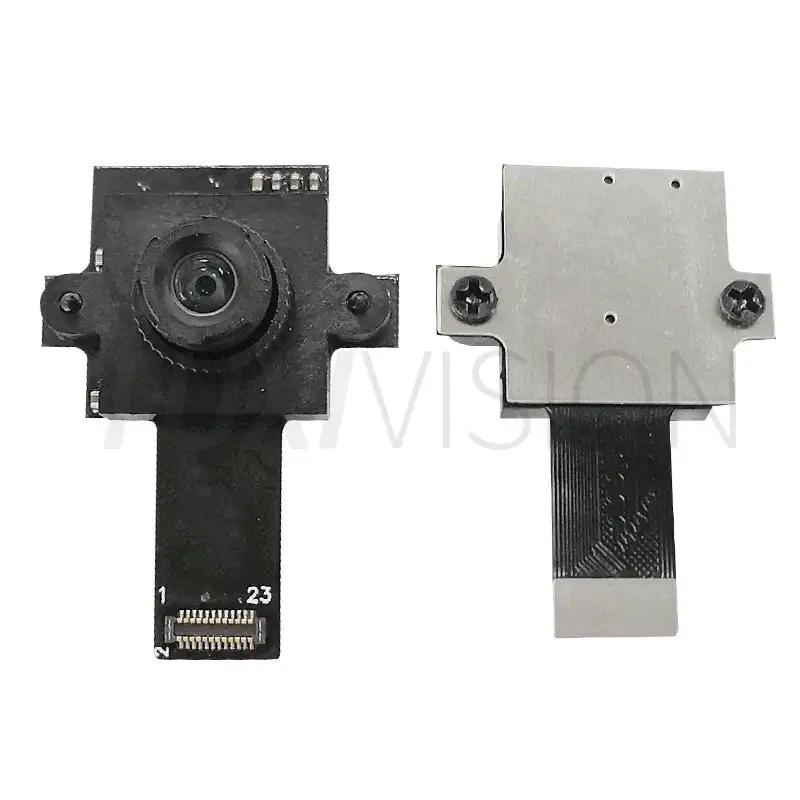
Hardware integration: PCB dimensions, FPC length, connector position, mounting points, and available enclosure space.
Host compatibility: target processor, MIPI interface requirements, supported image formats, and driver availability.
Validation plan: image quality under representative lighting, focus, frame-rate stability, and mechanical fit.
Sample testing should use the intended host platform wherever possible. It is also helpful to agree on the test conditions in advance, particularly when low-light performance is a key purchasing requirement. Otherwise, two parties may assess the same camera under different conditions and reach different conclusions.
A Practical Starting Point for Low-Light OEM Projects
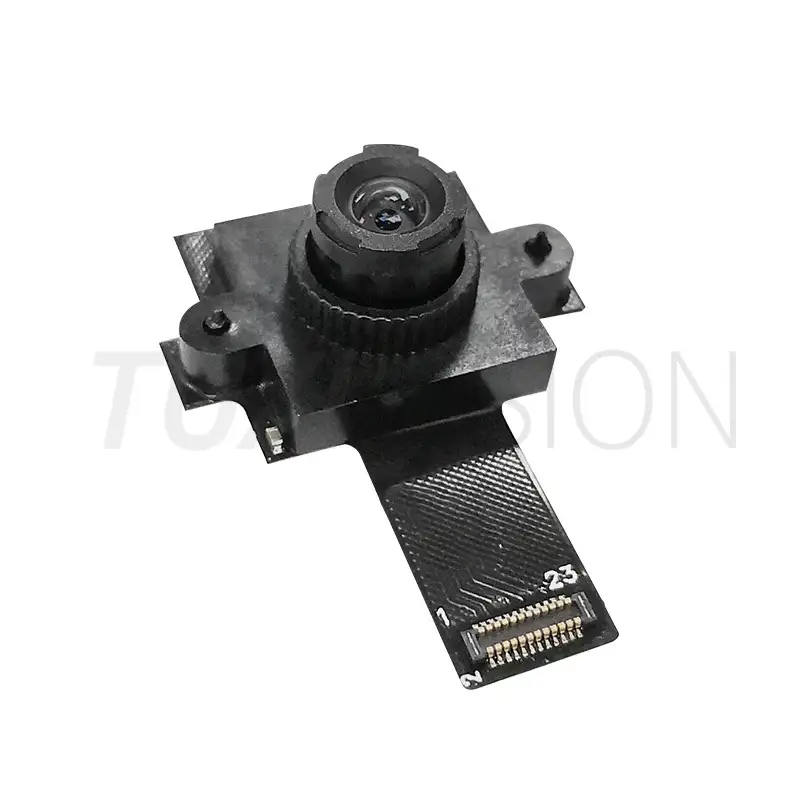
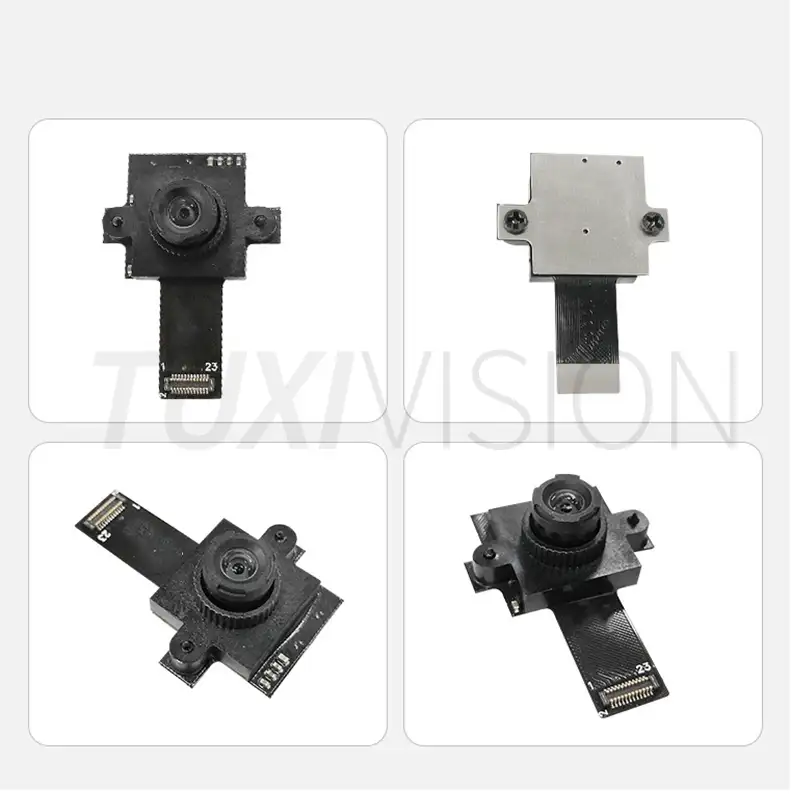
Based on the Sony IMX327, the HX728A3M6 is a 2MP MIPI camera module with fixed focus, adjustable field of view and focal length, WDR capabilities, and a claimed 1920 × 1080 resolution at up to 60 frames per second. It has a 32 mm FPC connection and weighs about 10 g.
Customization can be assessed in relation to the target mechanical drawings and host-platform standards for projects with particular enclosure or interface needs. Before production, the final configuration should be examined for software integration, electrical compatibility, and optical performance.
The most useful starting point is a clear description of the application: what the camera needs to see, how much light will be available, how far away the subject will be, and how the module will connect to the main board. With those details established, sensor and lens selection becomes a more concrete engineering decision rather than a comparison of specifications alone.