Why Different Applications Require Different Autofocus Systems
Although the basic principle of autofocus remains the same, different industries have very different requirements for focusing speed, accuracy, tracking capability, and environmental adaptability.
A smartphone camera, for example, prioritizes speed and user experience, while an industrial inspection camera focuses on micron-level precision. Security cameras, on the other hand, require reliable autofocus over long operating periods and under changing lighting conditions.
Understanding these application differences helps manufacturers select the most suitable autofocus solution for their products.

Consumer Electronics
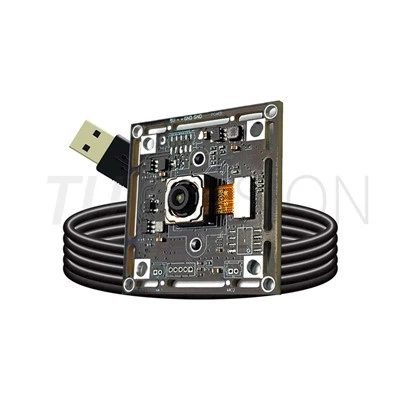
Smartphones and tablets are among the most demanding applications for autofocus technology.
Because these devices are compact, autofocus systems must deliver fast performance within a very limited mechanical space.
Most modern smartphones combine:
- Voice Coil Motor (VCM)
- Phase Detection Autofocus (PDAF)
- Contrast Detection Autofocus (CDAF)
- AI-assisted scene recognition
Together, these technologies enable rapid focus transitions between portraits, landscapes, macro photography, and video recording.
For tablets, autofocus requirements are similar, although some larger devices can also integrate optical zoom modules for enhanced flexibility during video conferencing and content creation.

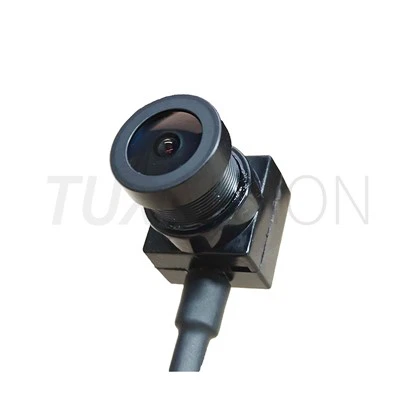
Security & Surveillance Cameras
Surveillance cameras operate under conditions that differ significantly from consumer devices.
Instead of capturing a single image, they often need to maintain focus continuously for hours or even days while monitoring changing environments.
Fixed Cameras
Fixed surveillance cameras generally rely on electronic autofocus to compensate for varying subject distances and lighting conditions.
Typical applications include:
- Parking lots
- Warehouses
- Office buildings
- Residential communities
PTZ Cameras
Pan-Tilt-Zoom (PTZ) cameras require more advanced autofocus because both the viewing angle and subject distance change constantly.
As the camera rotates and zooms, the autofocus system continuously recalculates the optimal lens position to maintain image clarity.

Digital Cameras
Digital cameras demand both speed and precision.
Entry-Level Cameras
Consumer cameras usually combine optical zoom with standard autofocus algorithms, providing reliable performance for travel, family photography, and everyday use.
Professional Cameras
Professional DSLR and mirrorless cameras often integrate:
PDAF
CDAF
Subject tracking
Eye autofocus
AI recognition
These advanced systems allow photographers to accurately capture fast-moving subjects such as athletes, wildlife, and vehicles.

Industrial Vision Systems
Industrial cameras prioritize repeatability and measurement accuracy rather than focusing speed.
Typical applications include:
- PCB inspection
- Semiconductor manufacturing
- Robotics
- Medical imaging
- Precision measurement
Many industrial systems employ high-precision focus actuators capable of micron-level positioning, ensuring consistent image quality during automated inspection.

Autofocus vs. Optical Zoom
These two concepts are often confused but serve different purposes.
Optical Zoom
Optical zoom changes the focal length of the lens to alter the field of view and image magnification.
Autofocus
Autofocus adjusts the lens position so that the subject remains sharply focused.
In other words:
Optical zoom determines how large the subject appears.
Autofocus determines how sharp the subject appears.

Comparing Autofocus Algorithms
Modern autofocus systems primarily use three approaches.
| Technology | Strengths | Best Applications |
|---|---|---|
| Contrast Detection AF | High accuracy | Static scenes |
| Phase Detection AF | Extremely fast | Sports, smartphones |
| Laser AF | Excellent in low light | Portraits, mobile devices |
Each method has its own advantages, and many camera modules combine multiple technologies to achieve optimal performance.

Warning Signs of Autofocus Problems
Even advanced autofocus systems may occasionally experience performance issues.
Common warning signs include:
Focus Hunting
The lens repeatedly moves back and forth without locking focus.
Possible causes:
- Low contrast
- Poor lighting
- Reflective surfaces
Slow Autofocus
The camera takes noticeably longer than expected to achieve focus.
Possible causes:
- Mechanical wear
- Slow actuator response
- Heavy image processing workload
Focus Overshoot
The lens moves beyond the correct position before returning.
Possible causes:
- Incorrect calibration
- Actuator control errors
- Software tuning issues