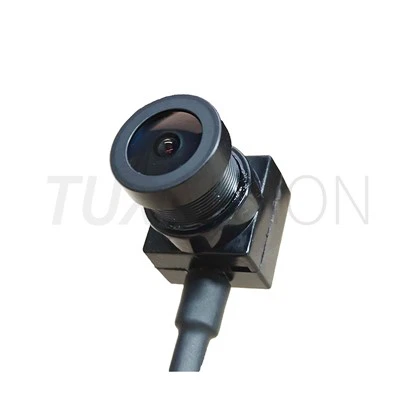
Hey there, photography enthusiasts and tech-savvy folks! As a supplier of 12mp camera modules, I often get asked about the aspect ratio of photos taken by these nifty little gadgets. So, let's dive right in and break it all down.
First things first, what exactly is aspect ratio? Well, it's basically the proportional relationship between the width and the height of an image. It's usually expressed as two numbers separated by a colon, like 3:2 or 16:9. This ratio determines the shape of your photo, whether it's more rectangular or square-like.
Now, when it comes to 12mp camera modules, the most common aspect ratio you'll come across is 3:2. This is a throwback to the traditional 35mm film format, which was super popular in the days of analog photography. Many DSLRs and mirrorless cameras also use this aspect ratio, so it's a tried-and-true standard in the industry.
The 3:2 aspect ratio is great for a bunch of reasons. It provides a nice balance between the width and height of the image, which makes it ideal for a wide range of subjects. Whether you're shooting landscapes, portraits, or still life, a 3:2 aspect ratio gives you enough space to capture the details and tell your story. It's also a versatile ratio that can be easily cropped or resized for different purposes, like printing or sharing on social media.
But that's not the only aspect ratio you can get with a 12mp camera module. Some modules also support a 16:9 aspect ratio, which is commonly used in widescreen displays and video production. This ratio is wider and more rectangular than 3:2, which means it can give your photos a more cinematic look. It's perfect for capturing sweeping landscapes, cityscapes, or any other subject where you want to emphasize the horizontal expanse.
And for those who prefer a more square format, some 12mp camera modules offer a 1:1 aspect ratio. This is a popular choice for Instagram and other social media platforms, as it gives your photos a clean and symmetrical look. It's also great for portraits and close-up shots, as it focuses the viewer's attention on the subject.
So, why do different camera modules support different aspect ratios? Well, it all comes down to the sensor size and the way the camera is designed. The sensor is the part of the camera that captures the light and converts it into an image. The size and shape of the sensor determine the maximum resolution and aspect ratio that the camera can support.
For example, a camera module with a larger sensor will typically have a higher resolution and may support a wider range of aspect ratios. On the other hand, a smaller sensor may be more limited in terms of resolution and aspect ratio. The camera's firmware and software can also play a role in determining the available aspect ratios. Some cameras allow you to choose from a set of predefined aspect ratios, while others may offer more advanced features like custom cropping and resizing.
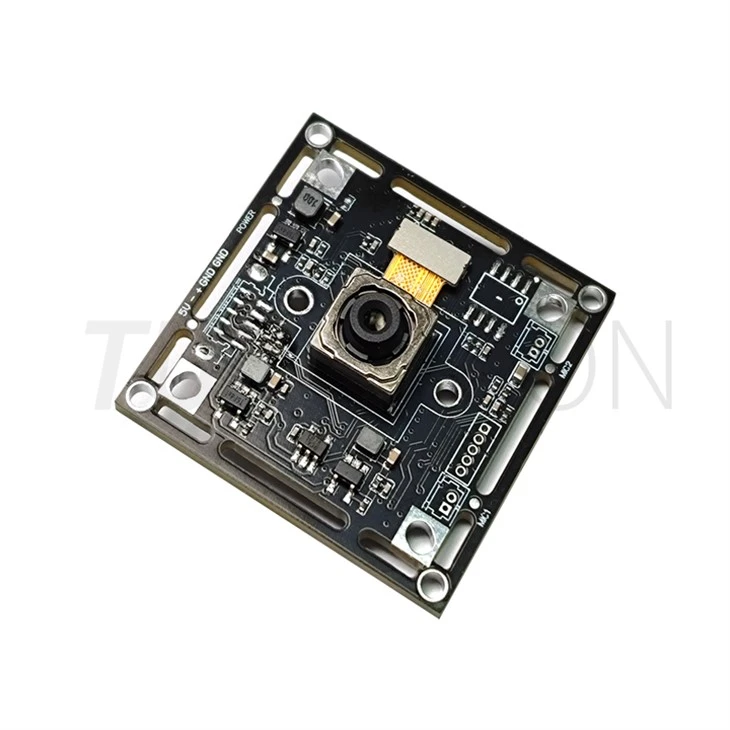
Let's take a look at some of the 12mp camera modules we offer. The Raspberry Pi Camera 12MP is a popular choice for DIY projects and robotics. It has a 12.3-megapixel sensor with a 3:2 aspect ratio, which means it can capture high-quality photos with excellent detail and color accuracy. The camera is also compatible with the Raspberry Pi board, which makes it easy to integrate into your projects.
Another great option is the IMX298 16MP USB UVC Camera Module. This module has a 16-megapixel sensor with a 16:9 aspect ratio, which is perfect for video conferencing, surveillance, and other applications that require a wide field of view. It also supports USB UVC (Universal Video Class) protocol, which means it can be easily connected to a computer without the need for additional drivers.
And if you're looking for a more advanced camera module with AI capabilities, check out our AI Camera Modules. These modules are equipped with powerful processors and AI algorithms that can perform tasks like object detection, face recognition, and image classification. They also support a range of aspect ratios, including 3:2 and 16:9, so you can choose the one that best suits your needs.
In conclusion, the aspect ratio of photos taken by a 12mp camera module depends on several factors, including the sensor size, the camera's design, and the available firmware and software. The most common aspect ratios are 3:2, 16:9, and 1:1, each with its own unique advantages and applications. Whether you're a professional photographer, a hobbyist, or a DIY enthusiast, there's a 12mp camera module out there that can meet your needs.
If you're interested in learning more about our 12mp camera modules or have any questions about aspect ratio or other technical specifications, don't hesitate to reach out. We're here to help you find the perfect camera module for your project. Drop us a line, and let's start a conversation about how we can work together to capture the perfect shot.
References
- Camera Basics: Aspect Ratio, Photography Life
- Understanding Aspect Ratio, Digital Photography School