


Camera Module System Integration & Testing Services
▐ Camera Module Integration Services
Integrating Camera Modules into Existing Hardware
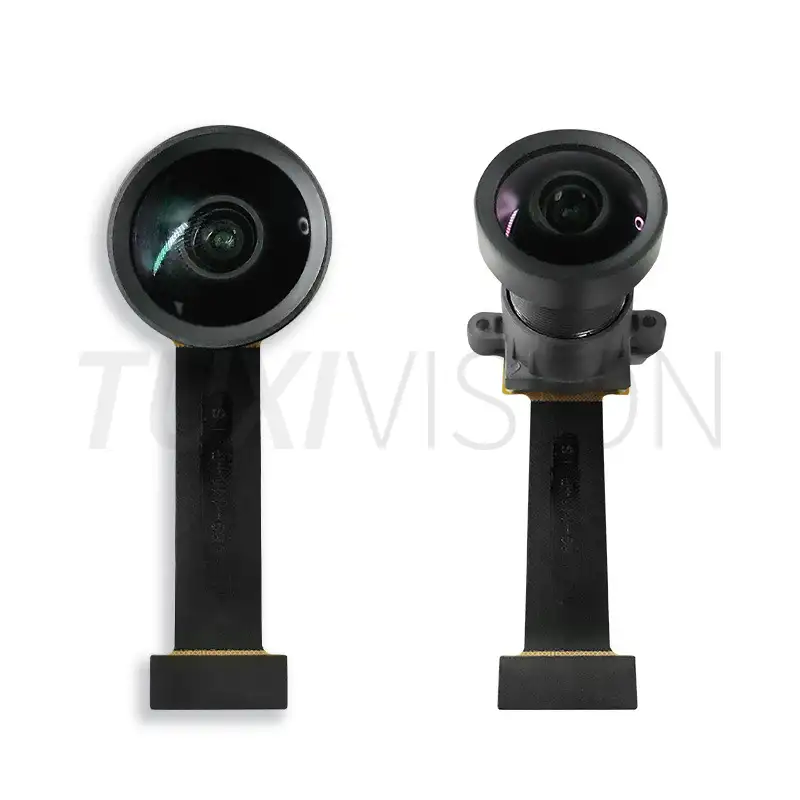
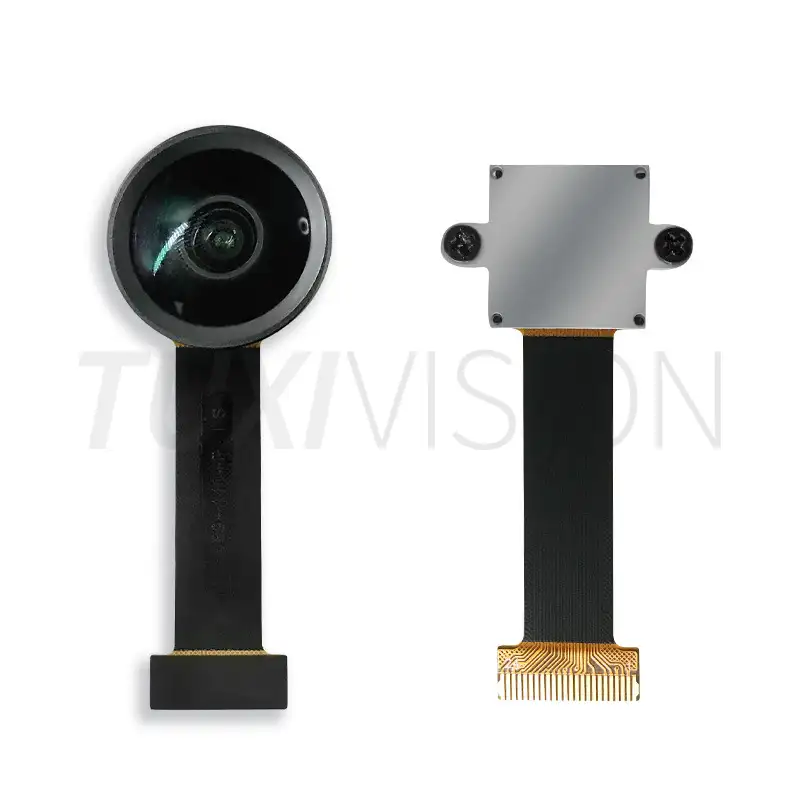
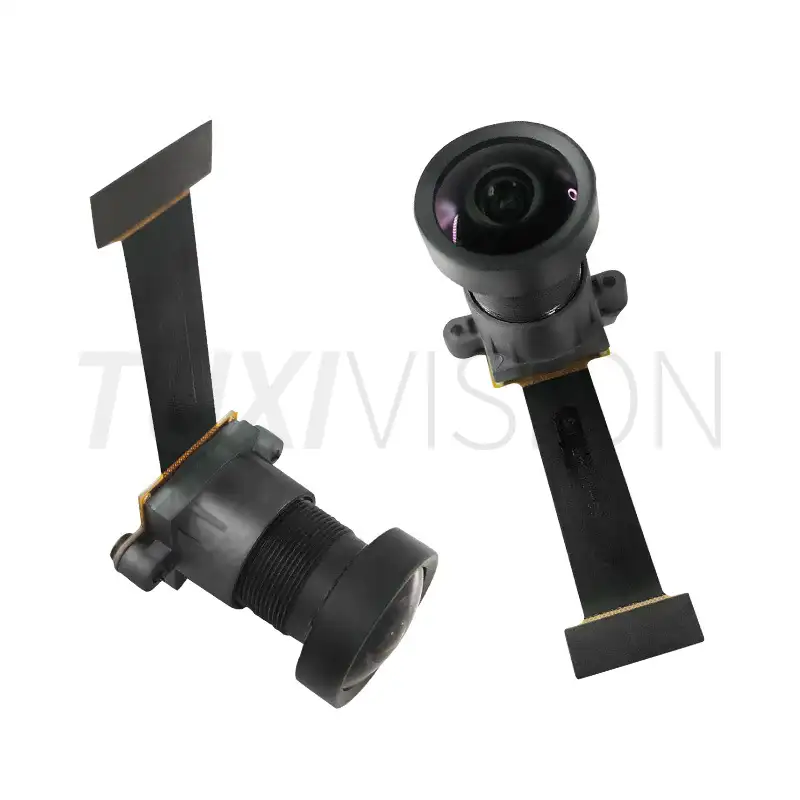
Adding a camera to an established product is rarely just a matter of connecting a module. The sensor interface, host processor, driver, lens position, cable routing, power rail, and available mechanical space all have to work together. HX5235 is a 5MP fixed-focus camera module built around the SC5235 image sensor, with a DVP interface and a maximum resolution of 2608 × 1960 at up to 30 fps. It can be evaluated for integration into monitoring equipment and other embedded vision products.
The first integration check is usually the host platform. HX5235 is specified for use with MTK, HiSilicon, and Qualcomm platforms, but the exact board, SoC configuration, driver package, and software environment still need to be checked. DVP timing, pin assignment, I/O voltage, clocking, I2C control, and available bandwidth should be reviewed against the target hardware before the PCB or enclosure is finalized.
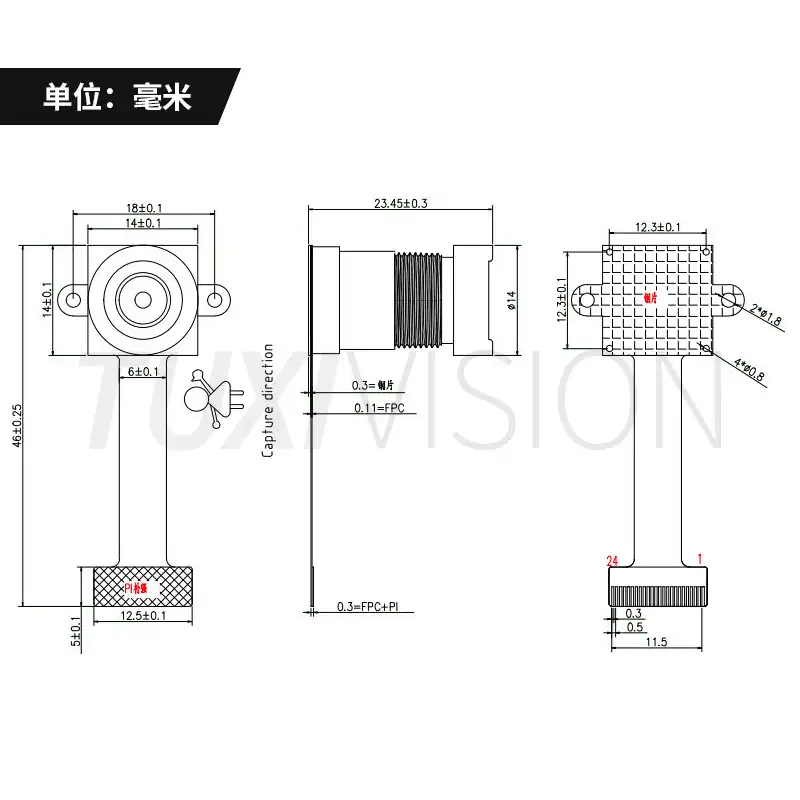
Mechanical constraints matter just as much as the electrical interface. The HX5235 module weighs 30 g and has a 46 mm cable, which can be customized. Lens clearance, mounting position, cable bend radius, connector access, and the distance between the lens and front cover should be checked in the actual housing. Prototype testing should cover image output, driver loading, startup behavior, focus, and operation under the intended lighting conditions before a design is released for production.
▐ Integration Points
5MP SC5235 Image Sensor
DVP Interface
MTK / HiSilicon / Qualcomm Platforms
Driver & Mechanical Adaptation
▐ HX5235 Technical Specification
| Item | Specification |
|---|---|
| Model | HX5235 |
| Brand | TUXIVISION |
| Image Sensor | SC5235 CMOS |
| Pixel Count | 5 Megapixels |
| Maximum Resolution | 2608 × 1960 |
| Maximum Frame Rate | 30 fps |
| Focus / Interface | Fixed Focus / DVP |
| Platform / Driver | MTK, HiSilicon, Qualcomm / Driver Required |
| Cable / Weight | 46 mm (customizable) / 30 g |
| Functions / Customization | Night Vision / Processing Customization / Logo Customization |
▐ SC5235 Sensor Introduction
HX5235 uses the SC5235 CMOS image sensor, with a 5MP pixel count and a maximum output resolution of 2608 × 1960. The specified maximum frame rate is 30 fps. These figures describe the module configuration; actual image capture also depends on the host platform, driver, data interface configuration, and software pipeline. The confirmed information identifies a fixed-focus lens and a night vision function. Lens field of view, optical format, aperture, minimum illumination, and night-vision implementation have not been specified and should be checked against the application.
▐ Practical Integration Considerations
01
Check the Imaging Requirement Against the Scene
The 5MP resolution and 30 fps maximum provide a defined starting point for image-pipeline evaluation. For night use, confirm the illuminator, lens aperture, exposure strategy, and required working distance. WDR performance and minimum illumination are not specified for this module.
02
Verify the DVP Connection at Board Level
DVP is the confirmed output interface. Pin mapping, signal voltage, clock and synchronization timing, and the receiving SoC interface must be checked together. Video compression is normally handled elsewhere in the system and is not a confirmed module feature.
03
Resolve Driver and Platform Dependencies Early
The module requires driver support. Before integration, identify the exact MTK, HiSilicon, or Qualcomm platform, operating system version, kernel version, and camera framework. I2C sensor control and any required platform-specific driver changes should be validated on the target board.
04
Account for Cable and Housing Constraints
The standard cable length is 46 mm and can be customized. The module weighs 30 g. Confirm mounting points, lens-to-cover clearance, cable exit direction, connector location, and available internal volume with a mechanical drawing or sample housing.
▐ Why Work with TUXIVISION on Integration
Start with the Host Hardware, Not Just the Sensor
An integration review should begin with the target SoC, carrier board, DVP pinout, power conditions, and software environment. This helps identify interface or driver conflicts before they become enclosure or PCB redesign issues.
Hardware Changes Can Be Evaluated Alongside Software
Cable length, mechanical processing, and logo customization are supported. Other changes, including connector or PCB revisions and driver adaptation, need to be reviewed against the project specification and confirmed before quotation.
Prototype Checks Before Production Release
A working prototype should be tested on the customer's actual platform. Check image format and resolution, frame rate, driver stability, startup and recovery behavior, focus, night operation, and mechanical fit. Production approval should follow completion of the agreed validation items.
▐ Typical Applications


▐ Certifications & Quality Assurance

ISO 9001

ISO 45001

ISO 14001

EMC Test

CE Certified
▐ Camera Module Integration & Customization
Integration work is driven by the host product. Share the target processor or development board, operating system and kernel version, interface definition, power conditions, mechanical drawings, lens/FOV requirement, and intended application. With these details, the required hardware checks and software adaptation can be scoped before prototype evaluation.

Lens & Optics
view more

Image Sensor
view more

Mechanical Design
view more

Connector & I/O
view more
▐ Integration FAQ
Q1: What does camera module integration involve?
+
-
Camera module integration is the work required to connect the imaging hardware to the host product. It includes checking the electrical interface, driver, sensor control, image data path, lens position, cable routing, and mechanical mounting. The module alone is not a complete IP camera system.
Q2: Which host platforms are listed for HX5235?
+
-
The confirmed platform list includes MTK, HiSilicon, and Qualcomm. Compatibility still depends on the exact SoC, board design, operating system, kernel, camera framework, and driver version.
Q3: Does the DVP module include ONVIF, RTSP, or H.265?
+
-
These are system-level functions and are not confirmed specifications of HX5235. ONVIF, RTSP, and H.265 implementation depend on the host processor, firmware, and complete camera architecture.
Q4: What should be checked when connecting the DVP interface?
+
-
Check the DVP pin assignment, I/O voltage, clock and synchronization signals, timing requirements, and the receiving processor interface. The driver and sensor control path should then be tested on the target board.
Q5: What information is needed for an integration review?
+
-
Please share the target SoC or board, OS and kernel version, DVP interface details, required resolution and frame rate, lens/FOV, power conditions, mechanical space, cable and connector requirements, application, and expected quantity. For an existing design, driver logs, pinout documents, and mechanical drawings are also useful.
Hot Tags: camera module integration, China camera module integration manufacturers, automation camera usb camera, bare board usb camera, camera quotation sensor module, pcb camera, with case camera board, without cable usb webcam


